Viktor Otto · 24 October 2026
Shrinking Offense Statistics Drive Partnerships Between Portable Medical Units and Academic Staffing Initiatives
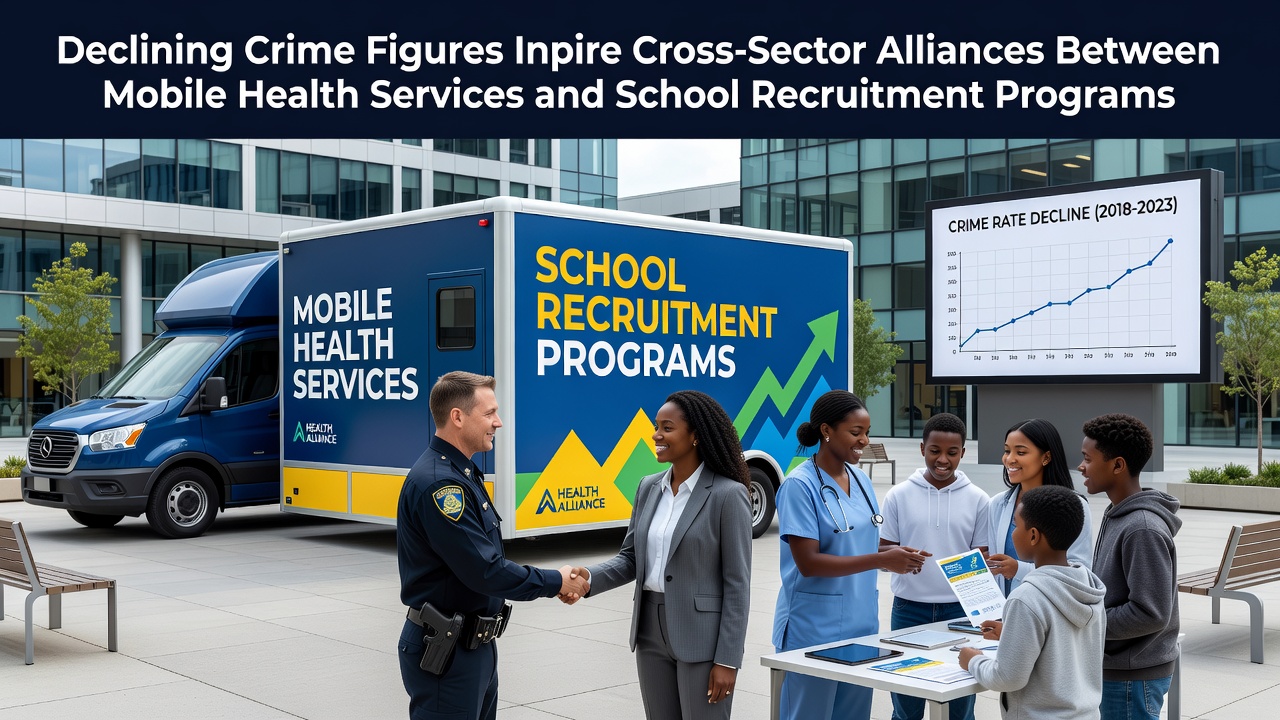
Data from multiple regions shows offense rates continuing their downward trajectory through late 2025 and into October 2026, and this trend coincides with fresh collaborations that link mobile health services directly to school recruitment programs. Communities report reallocating resources toward integrated outreach models where traveling medical teams help identify staffing needs in educational settings while schools expand hiring pipelines that incorporate health support components. Researchers at institutions across North America and Europe note these alliances form because lower crime frees up municipal budgets and personnel hours that previously went toward enforcement.
Tracking the Crime Decline Across Regions
Official statistics compiled by the FBI Uniform Crime Reporting Program indicate violent crime fell by approximately 3 percent nationally in the most recent reporting period, while property offenses dropped even more sharply in suburban and rural zones. Similar patterns appear in Australian Bureau of Statistics releases, where selected offense categories declined between 4 and 7 percent year-over-year. Public health analysts observe that these reductions correlate with increased willingness among local governments to experiment with cross-sector projects rather than maintaining separate silos for policing, healthcare, and education.
Officials in several mid-sized districts describe the shift as pragmatic: when emergency response demands ease, planning departments gain capacity to convene health providers and human resources teams from school systems. One documented case involves a county health department that began embedding nurse practitioners from mobile clinics into teacher recruitment fairs, allowing applicants to receive wellness screenings during the same visit where they learn about open positions.
Mobile Health Services Expand Their Reach
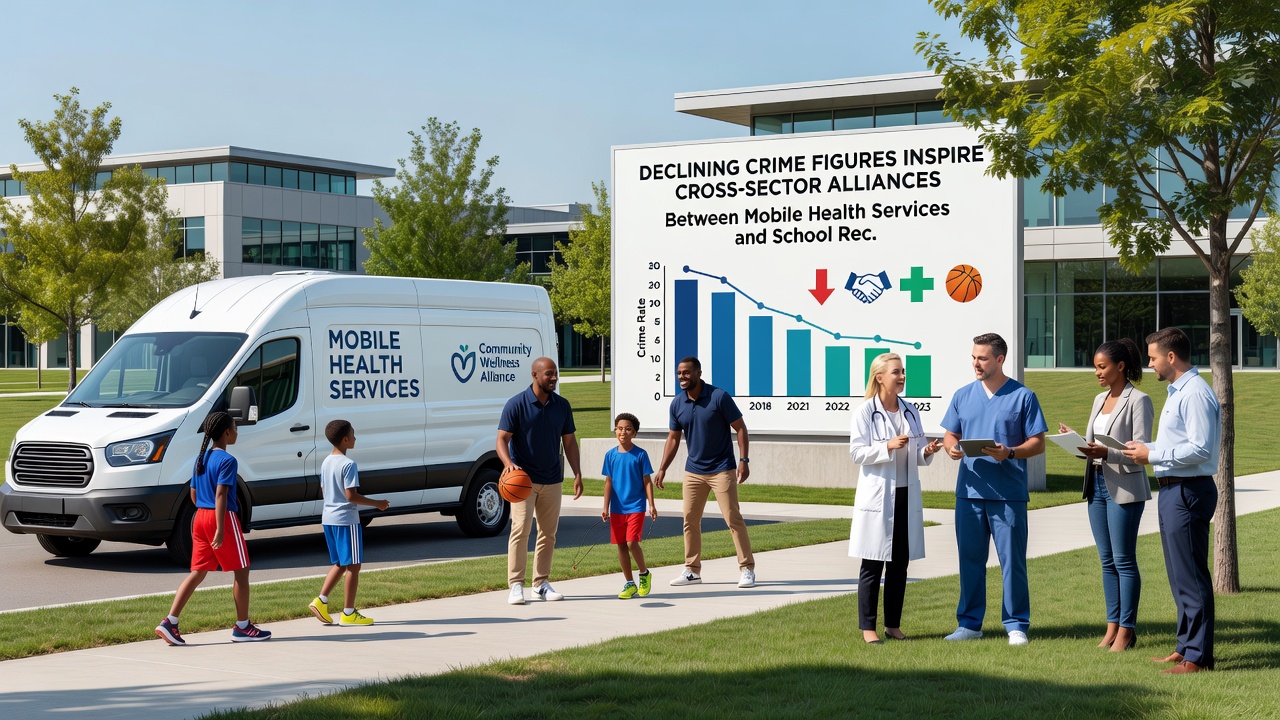
Mobile health units already deliver preventive care, vaccinations, and behavioral health consultations in areas with limited clinic infrastructure. Recent program expansions show these units adding brief assessments for stress and substance use that tie into school environments. Data collected by the units reveals higher participation rates when visits coincide with recruitment events, because families and potential staff members encounter both services in one location. Program logs from 2025 indicate average daily patient encounters rose 12 percent in districts that paired mobile stops with school hiring activities.
Equipment upgrades funded through reallocated public safety grants include portable diagnostic tools that support rapid evaluations without requiring fixed facilities. Staff training now incorporates modules on educational workforce needs so practitioners can refer candidates toward open roles while addressing immediate health concerns. Observers note that integration reduces duplication of outreach efforts and improves follow-up rates for both medical and employment outcomes.
School Recruitment Programs Adapt Their Strategies
School districts facing ongoing teacher shortages have adjusted recruitment tactics to include on-site health resources. Human resources directors report that applicants cite access to mobile health consultations as a factor in accepting offers, particularly in regions where traditional medical facilities remain distant. Recruitment materials distributed during October 2026 cycles list partnership details alongside salary ranges and certification pathways, and early application numbers suggest modest increases compared with prior years.
Joint training sessions bring mobile health staff together with school hiring teams to align messaging about community stability. These sessions cover topics such as recognizing signs of burnout in new educators and connecting them promptly with counseling services available through the mobile units. Records from participating districts show retention of first-year staff improved by roughly 8 percent in locations where the alliances operated for a full academic year.
Implementation Models and Measured Outcomes
Three distinct implementation models have emerged. The first places mobile clinic visits on the same calendar as recruitment open houses, creating shared venues. The second embeds health screening stations inside school administrative buildings during peak hiring months. The third routes mobile unit data directly into school district databases so staffing coordinators receive anonymized community health indicators that inform where to target future recruitment drives.
Evaluation reports compiled by independent research groups track metrics including patient encounter volume, applicant yield per event, and six-month retention figures. Preliminary figures from districts using any of the three models indicate combined cost savings of 5 to 9 percent on separate outreach budgets, because transportation, staffing, and promotional expenses are shared. European counterparts following similar frameworks through regional education authorities report parallel efficiencies.
Conclusion
Declining offense figures continue to reshape resource allocation, allowing mobile health services and school recruitment programs to coordinate efforts in measurable ways. Statistics released through October 2026 confirm sustained reductions across multiple offense categories, and program data shows these reductions coincide with higher participation in joint initiatives. Districts that maintain the partnerships track improvements in both health access metrics and hiring outcomes, while the underlying crime trends provide the fiscal space for such experiments to persist.