Iris Krüger · 10 October 2026
Shifting Weather Conditions Drive Innovations in Downtown Economic Strategies
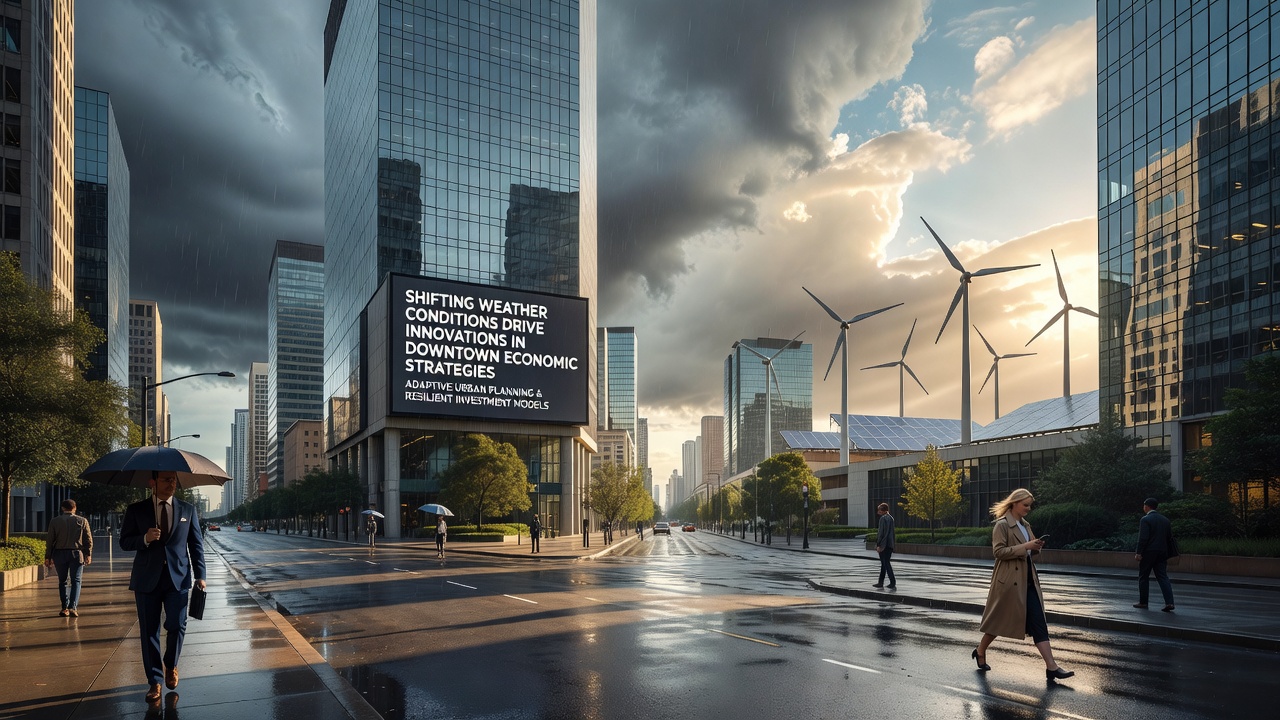
Weather patterns have shifted noticeably across many regions in recent years, and downtown areas now face direct consequences that push local leaders toward fresh economic approaches, according to climate data compiled by the National Oceanic and Atmospheric Administration. Cities record higher average temperatures, more intense rainfall events, and prolonged dry spells that alter foot traffic, retail sales cycles, and infrastructure maintenance costs. These changes arrive at a time when downtown districts already juggle post-pandemic recovery and evolving consumer habits, so planners combine weather adaptation measures with business development plans rather than treating the two as separate tracks.
Observed Weather Trends and Their Reach
Records from multiple monitoring stations show that precipitation events have grown 15 to 20 percent more intense in the past decade in parts of North America and Europe, while heat waves last longer and arrive earlier each summer. Downtown businesses feel these shifts first because dense building layouts trap heat and channel stormwater into narrow streets. Retail districts report afternoon sales drops when temperatures exceed 32 degrees Celsius, and restaurant patios close earlier during sudden downpours. Researchers at the University of Melbourne documented similar patterns in Australian city centers, where outdoor markets adjusted operating hours and introduced covered walkways to keep customers engaged during variable conditions.
Economic Pressures on Core Commercial Zones
Property owners and chamber of commerce groups track how weather affects lease renewals and vacancy rates. A single extreme storm can flood basements and damage inventory, leading some small retailers to relocate or close. Insurance premiums have risen in flood-prone downtown blocks, and that cost passes through to tenants. Data released by the European Environment Agency indicate that urban commercial properties in low-lying districts now spend an average of 12 percent more on weather-related repairs than they did five years earlier. These figures prompt city finance departments to recalculate revenue projections and seek diversified funding sources for resilience projects.
New Strategies Emerging in Response
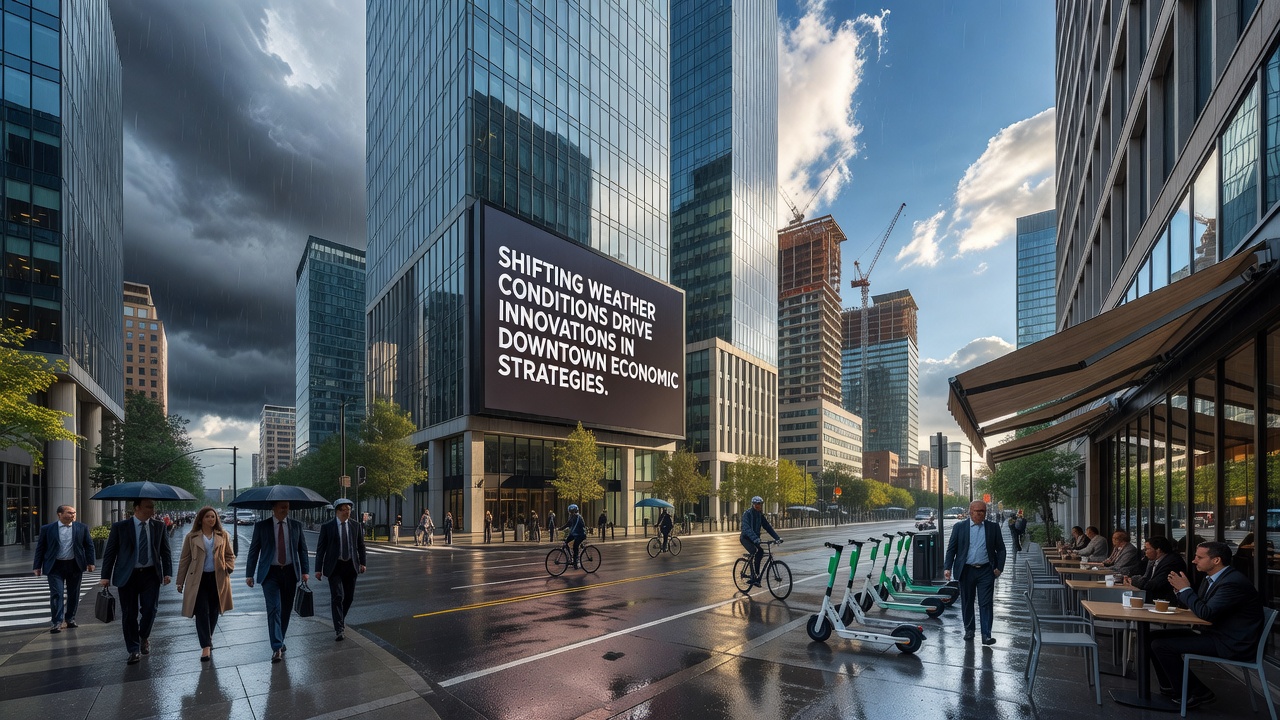
Planners now integrate green infrastructure into economic development packages. Permeable pavements, elevated loading docks, and rooftop gardens appear in renovation permits because they reduce flood damage while creating marketable amenities that attract tenants. Some downtown management organizations offer grants for businesses that install retractable awnings or modular shade structures, tying the incentives to measurable reductions in weather-related closures. In October 2026, several North American cities launched pilot programs that pair weather sensors with real-time marketing apps, alerting shoppers to indoor events when outdoor conditions turn unfavorable.
Workforce development programs also shift focus. Community colleges in affected regions add courses on climate-resilient construction and data-driven inventory management, preparing workers for jobs that combine traditional retail skills with weather monitoring technology. These training initiatives receive support from both municipal budgets and private sector contributions because downtown employers report difficulty filling roles that require hybrid technical and customer-service abilities.
Examples from Different Regions
One mid-sized city in Canada revised its downtown zoning code to require new buildings to include flood barriers and energy-efficient cooling systems, then paired the rules with tax abatements that offset upfront costs. Observers note that vacancy rates in the updated district stabilized within two years even as neighboring areas without similar incentives continued to see turnover. In another case, an Australian regional center partnered with a research institute to model future rainfall scenarios and used the projections to redesign public plazas with modular event spaces that convert quickly from open-air markets to sheltered venues. The approach preserved festival revenue streams that previously declined during wet seasons.
Funding and Partnership Models
Traditional municipal bonds now compete with green bonds and public-private resilience funds. Investors seek projects that demonstrate both economic returns and reduced climate risk, so downtown improvement districts compile detailed weather impact reports to strengthen funding applications. Partnerships with utility companies supply data on energy demand spikes during heat events, helping planners prioritize cooling investments that also lower operating costs for businesses. These collaborations produce measurable outcomes: one joint program tracked a 9 percent drop in peak-hour energy use after shade structures and reflective surfaces were added along main retail corridors.
Looking Ahead to Sustained Adaptation
October 2026 brought new datasets from international climate assessments that downtown economic teams now incorporate into five-year strategic plans. The information shows continued variability rather than steady trends, which encourages flexible rather than fixed solutions. Cities test temporary pop-up infrastructure that can be adjusted seasonally, and they maintain rolling budgets that allow rapid reallocation when an unexpected weather pattern emerges. Business associations host regular briefings so members stay informed about both forecast models and available support programs.
Conclusion
Shifting weather conditions continue to reshape the operational realities of downtown districts, and the innovations that follow combine physical infrastructure upgrades with updated business practices and workforce training. Evidence from multiple regions demonstrates that coordinated responses stabilize economic activity even as climate patterns evolve. Continued monitoring and adaptive funding mechanisms position downtown economies to respond to future changes without repeating earlier disruptions.