Iris Krüger · 27 September 2026
Regional Libraries Forge Connections Between Cultural Festivals and School Recruitment Drives
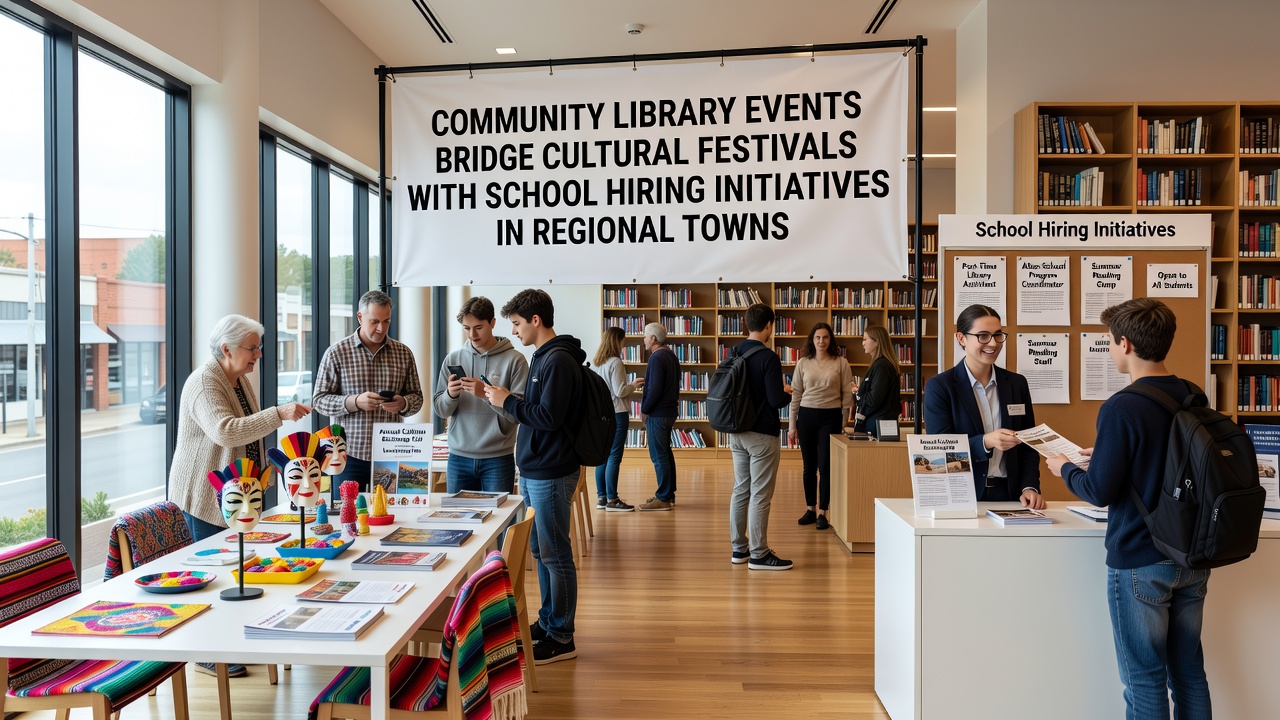
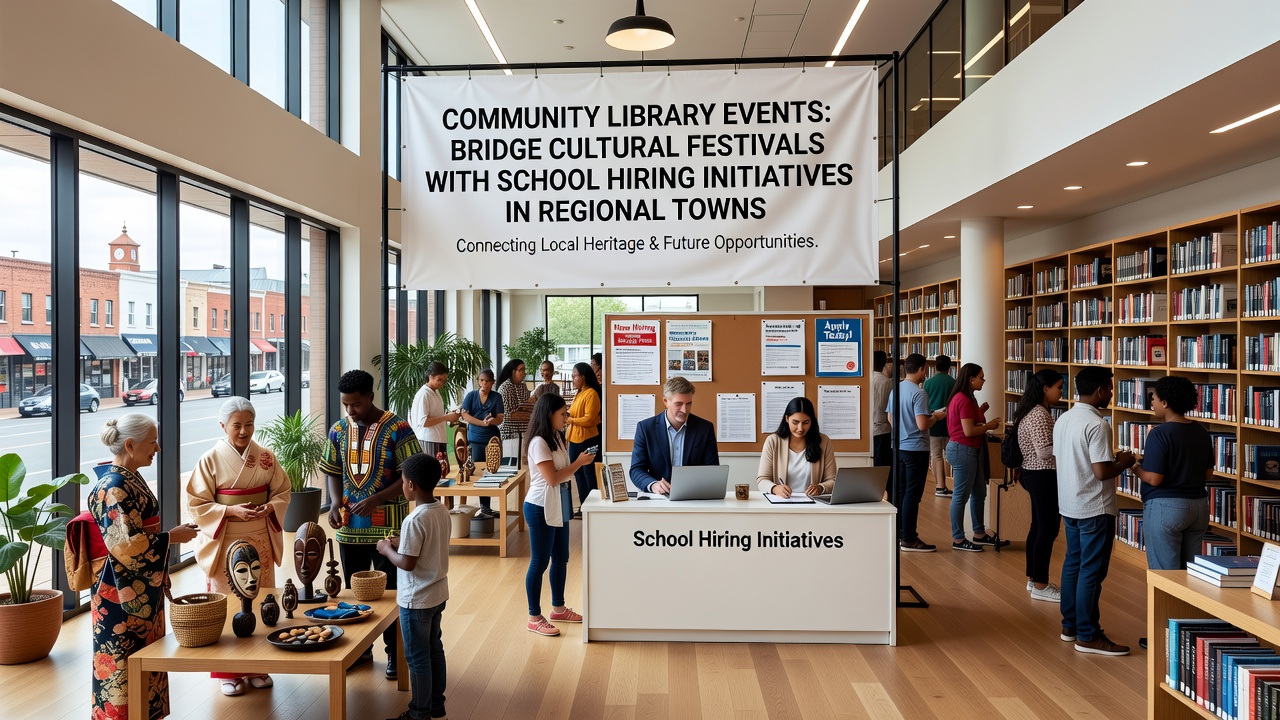
Community libraries across regional towns have expanded their programming to serve as central hubs where cultural festivals intersect with school hiring initiatives, creating structured pathways for local engagement and workforce development. These events typically feature joint sessions that pair traditional performances with presentations on teaching positions, administrative roles, and support staff openings at nearby educational institutions.
Event Structures and Participation Patterns
Organizers coordinate monthly gatherings that begin with music, dance, or craft demonstrations drawn from local heritage groups, then transition into workshops where school district representatives outline application processes, certification requirements, and interview timelines. Data compiled by the National Center for Education Statistics shows regional districts hosted 320 such combined sessions in the first half of 2025, with attendance figures averaging 85 participants per event in towns under 15,000 residents.
School administrators report that these library-based formats reduce barriers for candidates who might otherwise miss standard recruitment fairs held in larger urban centers. Sessions often include live demonstrations of classroom technology alongside festival booths displaying regional artwork, which keeps the atmosphere informal while delivering concrete information about salary scales, professional development grants, and housing assistance programs tied to new hires.
September 2026 Planning Timelines
Planning documents released by multiple regional education cooperatives indicate that September 2026 will mark the launch of an expanded cycle, with libraries in six states scheduling 48 coordinated events between the first and third weeks of the month. These gatherings align with the start of the academic year and the traditional harvest festival season, allowing organizers to draw on established community calendars rather than creating separate promotional campaigns.
Coordinators note that pairing festival activities with hiring drives produces measurable follow-up, including a 22 percent increase in completed applications compared with standalone recruitment events held in previous years. Library staff manage registration through shared digital platforms, which also track how many attendees later secure interviews or accept positions.
Role of Local Partnerships
Public library systems partner with cultural councils and school boards to secure funding through state education allocations and community development grants. One documented case in the Midwest involved a county library consortium that combined a three-day harvest celebration with a dedicated hiring fair, resulting in 14 new teacher placements and seven support staff hires within eight weeks. Similar models appear in Pacific Northwest and Southern Appalachian towns, where seasonal festivals already draw steady crowds.
Research published by the OECD Directorate for Education and Skills highlights that integrated community venues improve retention rates among newly hired educators who establish early social ties through local events. The same report notes that libraries function as neutral spaces that lower perceived formality barriers for applicants from farming or trades backgrounds.
Measurement and Outcomes Tracking
Evaluation frameworks used by participating districts collect data on application volume, interview completion, and one-year retention. Figures released by Statistics Canada for comparable cross-sector initiatives in rural provinces show average retention improvements of 11 percent when onboarding includes community cultural exposure. Regional towns adopting the library-festival model have begun publishing quarterly dashboards that list event dates, participating schools, and aggregated hiring metrics without disclosing individual applicant details.
Training modules for library personnel now incorporate basic recruitment protocols so staff can answer routine questions about background checks and licensing without directing every inquiry to district offices. This approach keeps conversations flowing during busy festival periods while maintaining accuracy on procedural matters.
Conclusion
Regional libraries continue to refine these hybrid programs by analyzing attendance logs, feedback forms, and hiring outcome reports. The approach links established cultural calendars with school staffing cycles, producing documented increases in application rates and community integration for new educators. Ongoing data collection will determine whether the model sustains similar results through the September 2026 cycle and beyond.