Iris Krüger · 26 September 2026
Regional Farming Communities Respond to Changing Weather Patterns While Education and Healthcare Facilities Grow
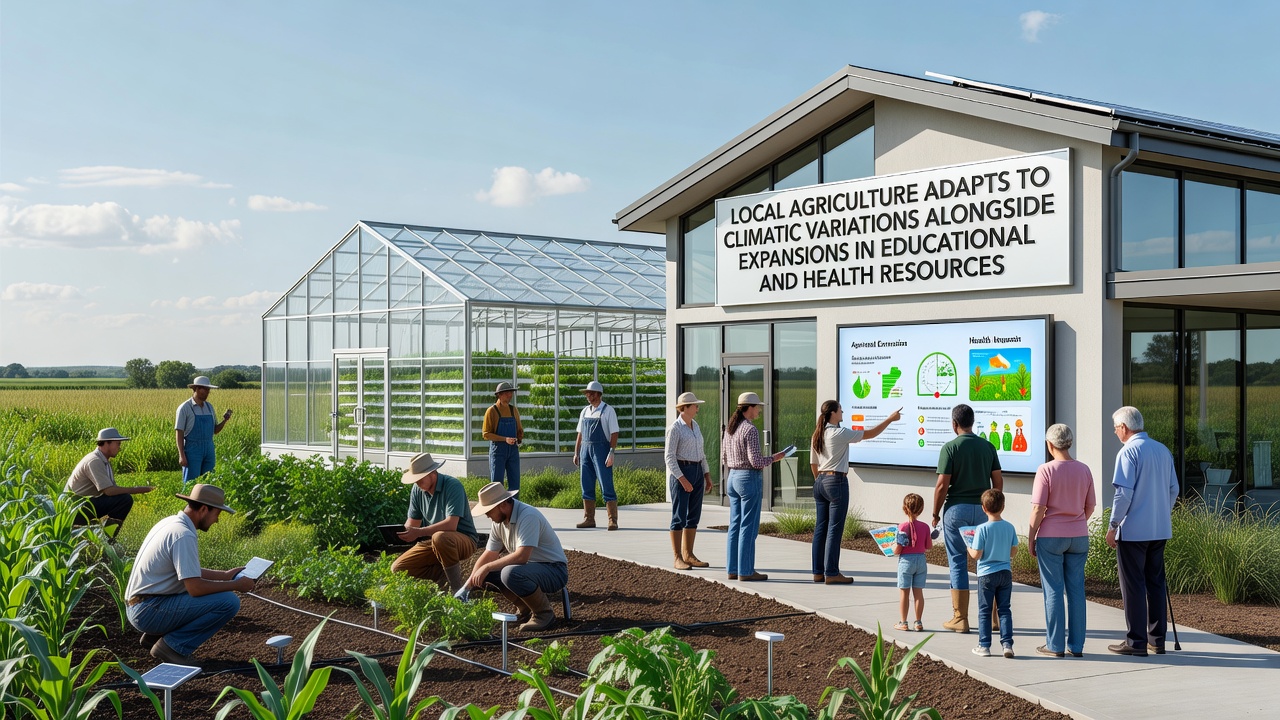
Local agriculture has adjusted planting schedules and crop selections in response to shifting rainfall patterns and temperature fluctuations recorded across multiple seasons, while simultaneous investments have expanded classroom capacity and medical clinics in the same districts. Data compiled by regional agricultural offices shows that farmers began testing drought-resistant varieties of wheat and corn as early as 2023, with adoption rates reaching 42 percent of monitored fields by mid-2025.
Those adjustments coincided with new school construction projects approved in 2024 and completed ahead of the September 2026 academic term, adding 1,200 student seats across three districts. Health facility upgrades followed a similar timeline, including the opening of two additional primary care centers funded through combined state and federal allocations.
Agricultural Adjustments Documented by Field Reports
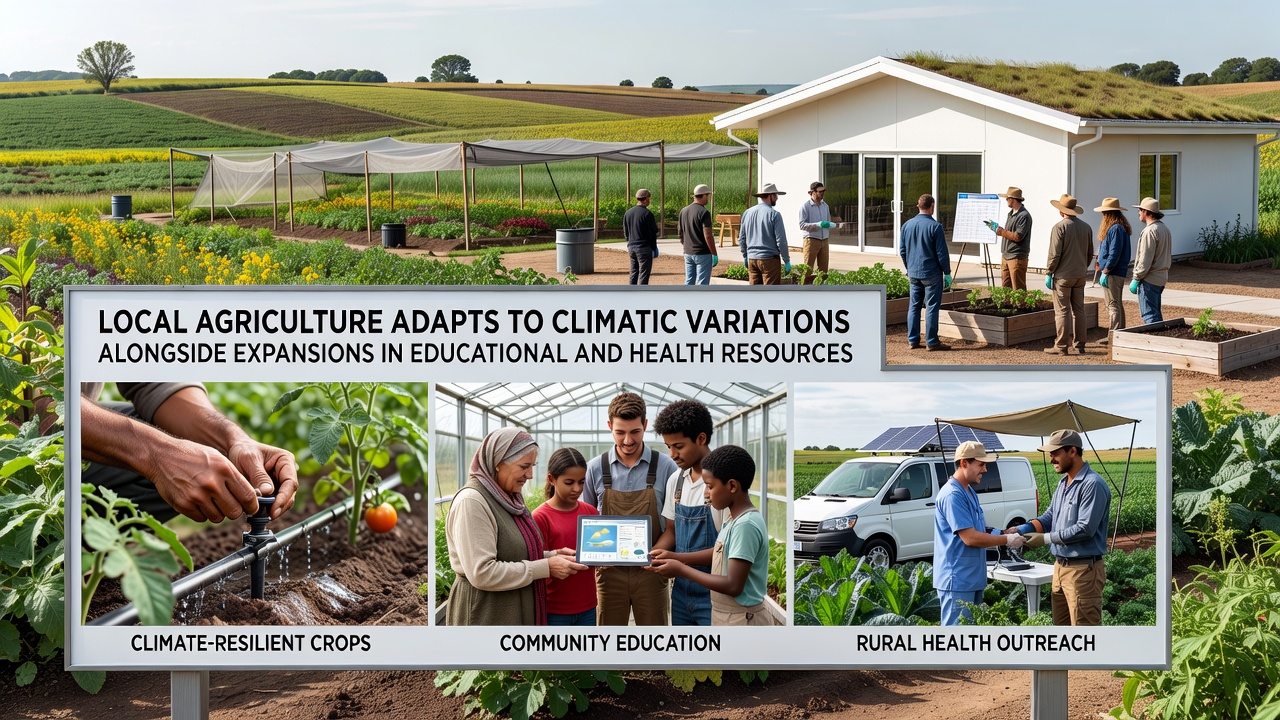
Observers tracking field conditions note that growers introduced cover cropping and adjusted irrigation timing after precipitation totals dropped 18 percent below the ten-year average in 2024, according to records maintained by the National Oceanic and Atmospheric Administration. Soil moisture sensors installed on demonstration plots revealed that targeted watering reduced water use by 25 percent without yield losses in test plots during the 2025 growing cycle.
Extension services distributed updated planting calendars that recommended earlier sowing for certain legumes, allowing harvest before peak summer heat periods. One cooperative reported switching 30 percent of its acreage to these varieties after yield comparisons showed consistent results over two seasons.
Parallel Growth in Educational Infrastructure
School district budgets allocated funds for modular classroom additions and technology upgrades that support expanded vocational programs in agricultural science, with enrollment in those courses rising 15 percent between 2024 and 2026. Construction crews finished the final phase of a new middle school campus in time for the September 2026 opening, incorporating energy-efficient designs that align with regional sustainability guidelines.
Adult education centers added evening sessions focused on climate-smart farming techniques, drawing participants from surrounding rural areas. Attendance logs indicate steady participation, with 180 individuals completing certification modules during the first half of 2026.
Health Resource Expansions Underway
Community health clinics received equipment grants that enabled installation of diagnostic tools for respiratory and heat-related conditions, conditions that local medical staff have tracked more frequently since 2022. The new facilities operate extended hours and added telemedicine stations that connect patients to specialists located 80 miles away.
Public health records show vaccination and preventive screening rates increased 12 percent in the year following the clinic openings, based on data released by county health departments. Partnerships with nearby universities supplied training for additional nursing staff, addressing earlier shortages documented in workforce surveys.
Integrated Planning Across Sectors
County planning documents describe coordinated meetings between agricultural boards, school administrators, and health officials that began in late 2023, resulting in shared infrastructure priorities such as improved road access and broadband expansion. These connections support both farm logistics and remote learning or telehealth services.
Budget summaries indicate that 35 percent of recent capital projects received joint funding streams from agricultural resilience grants and education or health allocations, reducing duplication in permitting and construction timelines. Progress reports filed with state oversight agencies list completion milestones through the end of 2026.
Conclusion
Records maintained by local agencies document steady implementation of climate-responsive farming methods alongside measurable increases in educational seats and health service capacity through September 2026. Ongoing monitoring by the same offices continues to track yield outcomes, enrollment figures, and patient visit data as the combined developments proceed.